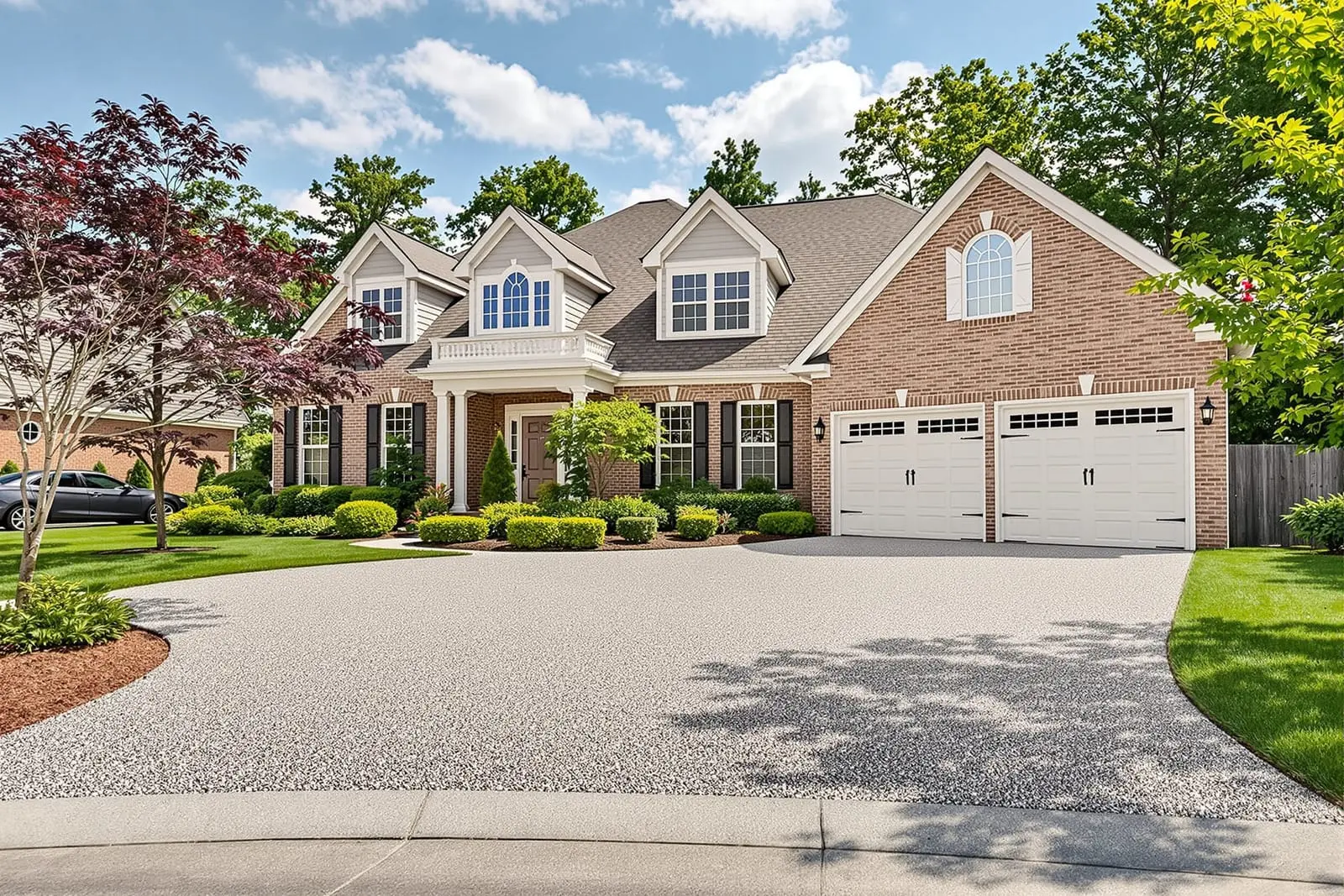
Upgrade your gravel driveway in Baton Rouge, LA with a gravel to asphalt conversion that delivers a clean, low maintenance surface. We regrade and compact the base, address drainage, and add asphalt layers designed for your traffic load. The result is a driveway that eliminates dust, mud, and washouts while improving curb appeal.
Prestige Asphalt Baton Rouge provides professional gravel to asphalt conversion throughout Baton Rouge, LA and the surrounding area. Our licensed, insured crew delivers safe, clean, on-time work with a free estimate before anything begins. Call (225) 433-0465 or request your free quote.
Turn Your Gravel Drive or Lot Into Smooth Asphalt
If you are tired of dust, ruts, and loose rock every time you pull in, a professional gravel to asphalt conversion can completely change how you use your property. At Prestige Asphalt Baton Rouge, we help homeowners and small businesses across the Baton Rouge area upgrade bumpy gravel surfaces into clean, quiet asphalt that is easier to drive on and much simpler to maintain.
Our team is familiar with the older ranch homes in Shenandoah, mid‑century neighborhoods off Florida Boulevard, and rural properties out by Zachary and Prairieville where long gravel drives are still common. We look at how you actually use the surface: daily family parking, delivery truck traffic, boat or RV storage, or customer parking for a small business. That use pattern, combined with your soil conditions and drainage, shapes how we design your new asphalt, from base depth to asphalt thickness.
The goal is not just to cover the gravel. A proper conversion turns a loose, shifting surface into a stable, well‑drained pavement that lasts through Louisiana heat, afternoon storms, and occasional hard freezes without falling apart.
How Gravel to Asphalt Conversion Works Step by Step
A solid final driveway or parking lot starts with what is underneath. When Prestige Asphalt Baton Rouge converts gravel to asphalt, we follow a structured process so you know what to expect on your property.
First, we meet on site and measure the existing gravel area, slopes, and access points. We look for soft spots, standing water, or places where vehicles already sink or rut. We also note obstacles like fences, carports, and tree roots along older Baton Rouge property lines.
Next, we strip and regrade the existing gravel and soil. In some cases, we reuse part of your existing gravel as base material. In others, especially where the gravel layer is thin or contaminated with clay, we remove it and bring in new limestone base. Using a motor grader and compactors, we shape the surface to create a consistent crown or cross slope so water runs off and does not sit in the asphalt.
If the soil beneath is soft, which is common in low‑lying or marshy parts of East Baton Rouge Parish, we may undercut and replace a few inches with stronger material or use a geotextile fabric under the base to stabilize it. This step is critical if you plan to park work trucks, trailers, or heavy equipment.
Once grading is complete, we compact the base in multiple passes until it is firm and uniform. Only then do we apply hot mix asphalt at the thickness appropriate for your use, usually 2 to 3 inches for homes and 3 to 4 inches for light commercial. We spread and machine‑grade the asphalt, then compact it with steel and rubber‑tire rollers for a smooth, dense finish.
Local Soil, Drainage, and Weather Factors in Baton Rouge
Baton Rouge has its own paving challenges, and a gravel to asphalt conversion has to account for them to avoid early cracking or potholes. Much of our area has clayey subsoils that hold water. If that moisture gets trapped under your new asphalt, it can lead to soft spots and pavement movement.
To manage this, Prestige Asphalt Baton Rouge pays close attention to drainage. We look at where roof runoff, yard water, and roadside ditches sit during a typical thunderstorm. On sloped lots in neighborhood pockets like Broadmoor, we may recommend slight adjustments to the driveway route or elevation so water sheds to the street or a swale instead of across the center of the drive.
For flatter rural properties, we often build in a more pronounced crown through the middle of the drive and a ditch or shallow swale along one side. In some cases, we cut small channels at the tie‑in to the roadside ditch so the new asphalt does not block water flow. These are small details that make a big difference after the first heavy rain.
Our crew also selects asphalt mixes suitable for our heat and humidity. Louisiana summers can soften poorly chosen mixes, so for most conversions we use a dense graded hot mix designed to resist rutting under parked vehicles and turning tires. Where shade from large oaks or pecans keeps moisture on the surface longer, we may suggest slightly thicker asphalt or additional base to handle that extra stress.
Design Choices and What Affects Your Project Cost
No two gravel to asphalt conversions in Baton Rouge cost the same, because conditions below and around the driveway or lot vary a lot from property to property. When Prestige Asphalt Baton Rouge prepares your proposal, we walk you through the factors that matter so there are no surprises.
Size and layout are obvious drivers. A straight, 60 foot residential driveway off Perkins Road is simpler and less expensive per square foot than a 250 foot winding drive with multiple parking pads off Highland Road. Curves, tight access, or working around existing brick mailboxes and landscaping add time and often some hand work.
Existing base quality makes a big difference. If you already have 4 to 6 inches of packed gravel that has been down for years and drains well, we might only need minor corrections before paving. If instead your current surface is a thin layer of gravel over soft mud, we will need to add and compact more base rock, which adds materials and labor but prevents premature failure.
Intended use also affects design and cost. A light duty residential driveway used by passenger vehicles can often be paved with a thinner asphalt layer than a small commercial lot that sees delivery trucks and frequent turning. For a home‑based business or rental property, we may suggest upgrading the base thickness and asphalt depth a bit to avoid rutting and alligator cracking down the road.
Finally, site conditions such as poor drainage, tree root intrusion, or the need to adjust elevations at garages, carports, or existing concrete slabs can require extra grading or saw cutting. We explain these line items clearly and offer options where possible, such as limiting the paved area or phasing the project if budget is a concern.
Common Problems With Old Gravel Surfaces and How We Fix Them
Most Baton Rouge gravel drives and lots we see have the same set of issues, and correcting them is part of a good gravel to asphalt conversion. Leaving these problems in place simply buries them under blacktop, and they will eventually reappear as cracks, low spots, or edge failures.
One frequent problem is deep ruts where tires travel the same path day after day. These usually signal a base that has been pumped up with mud from below. For these areas, Prestige Asphalt Baton Rouge typically cuts down below the rut, replaces weak soil with firm material, then rebuilds the base with compacted rock before paving.
Another is washouts from heavy rain. Where water has been cutting channels through your gravel, we change the grading and sometimes install a simple swale or redirect runoff around the parking area. This is critical on sloped drives feeding into drainage ditches or culverts common across Baton Rouge and neighboring parishes.
Edges that crumble away are also common, especially where gravel was pushed out over grass without a true shoulder. When we convert to asphalt, we create proper shoulders with compacted soil or rock, and in some cases we install concrete aprons or ribbons at garage doors or along high stress edges. This helps the asphalt resist breaking away when vehicle tires ride the edge.
If there are existing concrete sections, like an older carport slab or city sidewalk at the street, we carefully set elevation and slope so water does not pond at these joints. We may saw cut part of the concrete or grind transitions to get a flush, smooth tie‑in instead of a bump or lip where the new asphalt meets older materials.
What to Expect, Timeline, and How to Get Started
A typical residential gravel to asphalt conversion in Baton Rouge takes 1 to 3 working days depending on size, weather, and how much base repair is required. Larger rural drives or small commercial lots may take a bit longer, but we schedule work to minimize how long your access is interrupted.
On day one, we handle most of the grading and base work. We ask that you move vehicles, trailers, and boats off the work area before we arrive and alert us to any underground utilities like private water lines or irrigation that are not clearly marked. We coordinate with you on where you can safely park during the project so you are never completely blocked in.
Once the asphalt is placed and compacted, you can usually walk on it almost immediately. For driving, we recommend waiting at least 24 hours for light vehicles and slightly longer during hot spells so the surface has time to cool and set. Heavy trucks or equipment should stay off for several days unless we advise otherwise.
Prestige Asphalt Baton Rouge will explain simple care steps for your new asphalt, such as avoiding sharp turns while stationary in the first week and keeping vehicle jacks or kickstands on boards, not directly on the pavement. We also talk with you about future maintenance, like when you might consider sealcoating to protect the surface.
If you are considering a gravel to asphalt conversion, we offer on site consultations in Baton Rouge and surrounding communities. We walk the property with you, discuss options for layout and budget, and provide a written estimate that spells out base preparation, asphalt thickness, and any drainage improvements, so you can make a clear, informed decision.
“
Professional gravel-to-asphalt conversions, done right the first time, quality materials, honest pricing, and results that last.
Prestige Asphalt Baton Rouge
Gravel-to-Asphalt Conversions Across Our Service Area