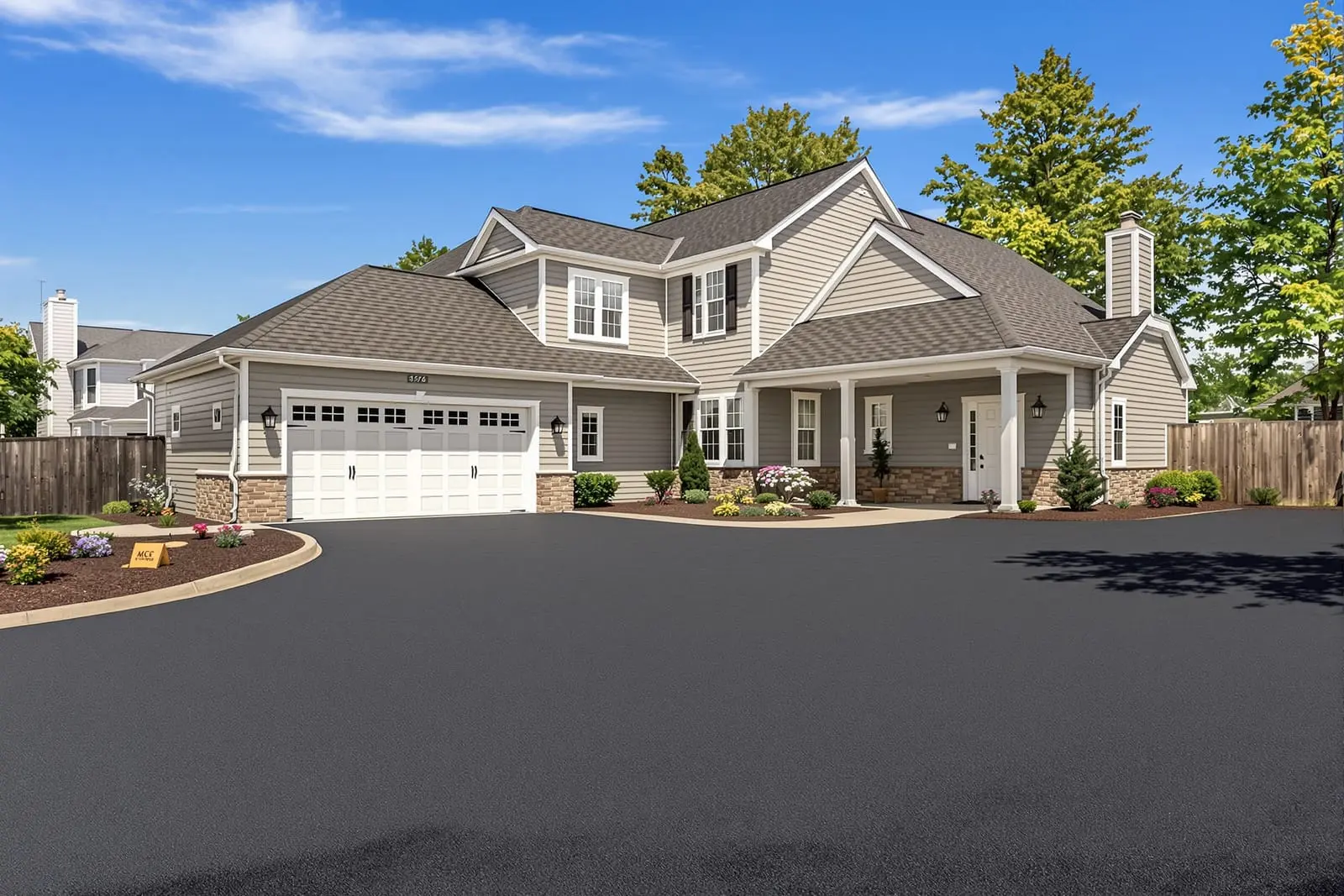
Transform rough gravel lots into clean, professional pavement with commercial gravel to asphalt conversions in Baton Rouge, LA. We reshape and stabilize the base, improve drainage, and install asphalt designed for your traffic volume. A paved surface reduces dust and mud, improves accessibility, and gives your property a more polished appearance.
Prestige Asphalt Baton Rouge provides professional commercial gravel to asphalt throughout Baton Rouge, LA and the surrounding area. Our licensed, insured crew delivers safe, clean, on-time work with a free estimate before anything begins. Call (225) 433-0465 or request your free quote.
Commercial Gravel-to-Asphalt Conversions in Baton Rouge
Prestige Asphalt Baton Rouge specializes in converting high-maintenance commercial gravel lots into clean, durable asphalt surfaces that stand up to south Louisiana weather and heavy traffic. If your business is dealing with dust, potholes, standing water, and unhappy drivers on a gravel surface, a properly designed asphalt conversion can dramatically improve appearance, safety, and long-term operating costs.
A commercial gravel to asphalt project is more than simply paving over rock. Our crews evaluate the existing gravel base, traffic patterns, drainage paths, and subgrade conditions specific to your property. From warehouse yards off Airline Highway to office complexes near downtown Baton Rouge, we build each section of pavement to match the actual loads it will carry, including delivery trucks, employee parking, and frequent turning movements.
We work with property managers, facility directors, and business owners to schedule work in phases so your operations keep running. Nights, weekends, and segmented areas can all be used to limit disruptions and keep access open for customers and tenants while the conversion is underway.
Site Evaluation and Planning for Gravel-to-Asphalt Projects
A successful conversion starts with a detailed site evaluation, not a quick estimate from the curb. Prestige Asphalt Baton Rouge walks the entire gravel area, checks for soft spots, tracks drainage patterns after recent rains, and notes how vehicles are actually using the space. In Baton Rouge, low areas that stay wet for days are common and must be corrected before any asphalt is placed.
We perform test digs in select locations to see the depth and quality of your existing gravel and to identify clay or organic material below it. On many commercial sites in our area, the top few inches of gravel look acceptable, but underneath there may be pumping mud or saturated silts that will quickly destroy new pavement if left unaddressed.
Based on this evaluation we prepare a layout that can include regrading, added drainage, thicker asphalt in loading zones, and adjustments to traffic flow. For some properties, we recommend changing where trucks turn or park to avoid high-stress areas at weak soil locations. Proper planning at this stage reduces future rutting and alligator cracking and keeps your maintenance budget predictable.
Base Preparation and Stabilization Over Former Gravel
Most of the work in a commercial gravel to asphalt conversion happens before any blacktop is visible. After stripping any vegetation or organic material that has encroached into the gravel, we reshape the existing rock using motor graders and rollers to create the proper crown or cross slope so water will move to designated drainage points.
If the existing gravel layer is too thin or contaminated with fines, we import and place additional graded aggregate and compact it in multiple passes with vibratory rollers. In Baton Rouge soils, this step is critical because our high clay content expands and contracts with moisture. A strong, well compacted base keeps that movement from telegraphing into the asphalt above.
On sites with persistent soft areas, we often use lime or cement stabilization. This involves mixing a specified amount of lime or cement powder into the upper portion of the subgrade with specialized equipment, adding moisture, and compacting to a dense, stiff platform. For heavily loaded truck yards or dumpster pads, we may also install geotextile fabric between the soil and base stone to separate materials and prevent the gravel from sinking into the clay over time.
Asphalt Paving Specifications for Commercial Use
Once the base is shaped, compacted, and proof rolled, we apply a tack coat to help bind the asphalt to the underlying layer. For commercial gravel to asphalt conversions in Baton Rouge, Prestige Asphalt Baton Rouge typically recommends a multi lift asphalt approach rather than a single thick layer, especially in areas that see truck traffic.
Parking areas for passenger vehicles usually receive a base course of larger aggregate asphalt followed by a finer surface course for smoothness and appearance. In loading docks, drive lanes for delivery trucks, and access routes for garbage trucks, we increase total asphalt thickness and may use a heavier duty mix with more stone and modified binder to handle turning and braking forces.
We monitor compaction density with each roller pass so the finished mat meets or exceeds industry standards. Proper density is what gives asphalt its strength and resistance to fuel drips and our high summer heat. Skipping this step often leads to early rutting, shoving at stop points, and premature cracking. Our crews adjust rolling patterns on the spot to address specific areas such as tight corners, entrances, and around drainage structures.
Drainage, Striping, and Final Details
Good drainage is the difference between an asphalt lot that lasts 20 years and one that fails in 5. During your gravel to asphalt conversion, we correct ponding issues that were easy to ignore on gravel but become serious problems on a smooth surface. This can include adjusting slopes to move water toward catch basins, adding new area drains, or installing concrete flumes at low points.
Once paving is complete, we allow proper cooling time and then perform layout and striping. For commercial properties in Baton Rouge, we pay close attention to ADA compliance, fire lane requirements, and local code considerations that affect stall dimensions and markings. Clearly defined parking spaces, crosswalks, stop bars, and loading zones not only improve safety but also reduce on site confusion and traffic conflicts.
We can also install concrete curb, wheel stops, and bollards during the same project. Integrating these elements while we pave is more efficient than bringing crews back later and helps protect sensitive areas such as building corners, utility fixtures, and pedestrian walkways from vehicle contact.
Cost Drivers and Common Issues in Baton Rouge Conversions
Several key factors drive the cost of a commercial gravel to asphalt project: total square footage, required asphalt thickness, base repair needs, access for equipment, and drainage corrections. Lots that appear similar in size can differ significantly in price if one has a solid gravel base and the other has widespread soft subgrade that must be stabilized.
In Baton Rouge, we frequently encounter three recurring issues when converting gravel. First, inadequate drainage from years of minor adjustments where rock was simply added to low spots instead of reshaping the entire area. Second, buried debris or construction waste under the gravel that causes unexpected settlement once heavy equipment begins compaction. Third, edge failures where the gravel transitions to grass or unconfined soil, which must be reworked to support a clean asphalt edge.
Prestige Asphalt Baton Rouge addresses these issues before they become your future maintenance headaches. During estimating, we explain which areas are likely to require undercutting or stabilization and present cost ranges for those contingencies. This helps you budget realistically and avoid surprise change orders halfway through the job.
How Prestige Asphalt Baton Rouge Manages Your Project
Our commercial clients appreciate a clear process and consistent communication. After the initial site visit, we provide a written proposal that breaks out base preparation, asphalt thickness by area, drainage improvements, and striping, rather than a single vague number. This transparency makes it easier to compare options and prioritize phases if you need to spread work over multiple budget cycles.
We coordinate with your on site team regarding access, delivery schedules, and quiet hours to minimize business disruption. For multi tenant properties, we can provide notices and phasing maps that you can share with tenants so everyone knows when sections will be temporarily closed and when they will reopen.
When your gravel to asphalt conversion is complete, we walk the site with you, document conditions, and provide maintenance recommendations tailored to Baton Rouge conditions, including sealcoating timelines, crack sealing priorities, and where to limit heavy loads. This approach keeps your new asphalt performing at a high level and protects your investment years beyond the initial construction.
“
Professional commercial gravel-to-asphalt conversions, done right the first time, quality materials, honest pricing, and results that last.
Prestige Asphalt Baton Rouge
Commercial Gravel-to-Asphalt Conversions Across Our Service Area