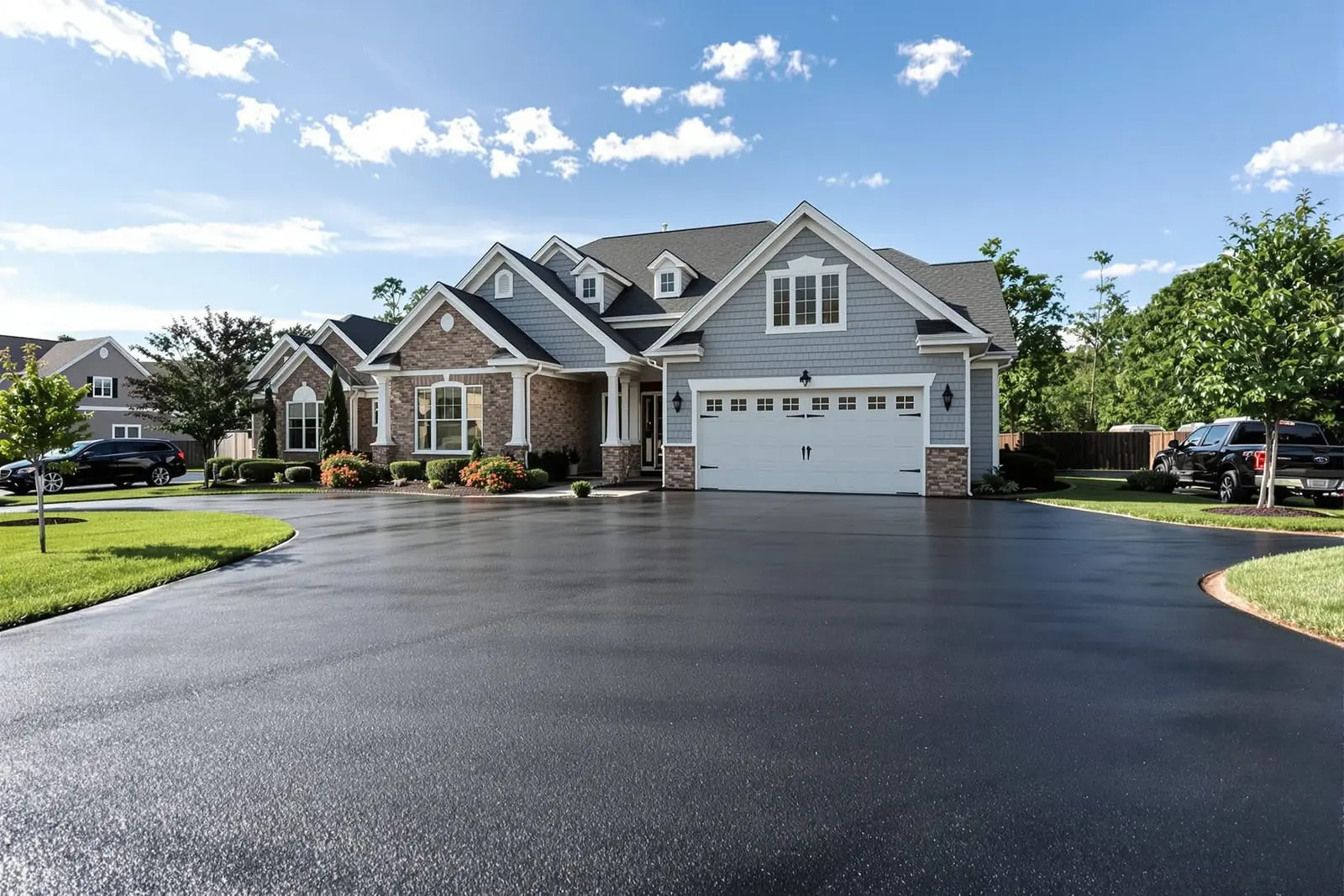
Refresh worn asphalt in Baton Rouge, LA with resurfacing and overlay services that give your driveway a like new finish. We inspect the existing pavement and base to ensure it is a good candidate for an asphalt resurfacing layer. Our team applies a smooth overlay that covers cracks and minor flaws, extending the life of your asphalt without full reconstruction.
Prestige Asphalt Baton Rouge provides professional asphalt resurfacing throughout Baton Rouge, LA and the surrounding area. Our licensed, insured crew delivers safe, clean, on-time work with a free estimate before anything begins. Call (225) 433-0465 or request your free quote.
Asphalt Resurfacing & Overlays in Baton Rouge
If your driveway, parking lot, or private road in Baton Rouge is cracked, rough, or starting to ravel but not completely falling apart, asphalt resurfacing may be the smartest way to bring it back. Prestige Asphalt Baton Rouge focuses on extending the life of existing pavement through properly designed overlays, not just putting a thin cosmetic layer over hidden problems.
Around Baton Rouge, we see a mix of older slab-on-grade homes from the 60s and 70s, newer subdivisions off Airline and Jones Creek, and commercial lots that have taken years of heat and heavy traffic. Each type of property needs a different resurfacing approach. Our team evaluates how your current asphalt was built and how it has been used so we can recommend whether an overlay is truly appropriate or whether certain areas need deeper repair first.
When resurfacing is done correctly, you get a fresh, smooth driving surface, improved curb appeal, and additional years of use without paying for a full tear out and replacement. When it is done poorly, the new layer can crack again in one to three years, especially in our hot, wet climate. Prestige Asphalt Baton Rouge takes the time to figure out which issues can be corrected with overlay and which must be addressed at the base or subgrade level so your investment actually lasts.
How Asphalt Resurfacing Actually Works
A quality asphalt resurfacing project in Baton Rouge follows a clear process. First, we walk the pavement with you and mark out structural failures such as base failures, deep alligator cracking, sink spots around old utility trenches, and areas with poor drainage. These sections cannot simply be covered. We saw cut and remove those failed spots, then rebuild the base with compacted aggregate and new hot mix asphalt at full depth.
Next, we clean the entire surface. This usually involves mechanical sweeping and power blowing to remove loose rock, dust, and vegetation growing in cracks. On older driveways shaded by oaks or pecans, we often add a mild detergent wash to remove built up oils and algae so the new asphalt bonds properly.
Crack repair follows. Wider or working cracks are routed open if needed, then filled with a hot rubberized crack sealant. This step helps keep existing cracks from reflecting straight through the new overlay. For commercial lots around shopping centers or churches, where there are many patched utility cuts, we may apply a leveling course of asphalt to smooth birdbaths and uneven areas so the final surface sheds water correctly.
Once the surface is prepped, we apply a tack coat, which is a thin spray of asphalt emulsion that acts like glue between the old surface and the new overlay. Then we install a new layer of hot mix asphalt, typically 1.5 to 2 inches thick for driveways and light duty lots, and thicker for truck traffic or dumpster lanes. The mix is laid with a paver for larger areas to maintain consistent thickness, then compacted with steel drum and rubber tire rollers while still hot to lock everything together.
Overlay Options, Thickness, and Design Choices
There is no one size fits all approach to asphalt resurfacing. Prestige Asphalt Baton Rouge tailors each overlay to the way the pavement is used. For residential driveways in subdivisions like Shenandoah or near LSU, a 1.5 inch surface course of fine graded hot mix is usually ideal. It gives a smooth, tight finish that is comfortable to walk on and easy to keep clean, without adding so much height that it causes issues at garage floors or carports.
For commercial properties along Florida Boulevard, Airline Highway, or industrial service roads, we often recommend a 2 inch or thicker overlay and sometimes a different mix design. Heavy trucks, delivery vehicles, and garbage trucks concentrate loads in small areas, especially at entrances and near dumpsters. In these locations we may thicken the overlay or reinforce localized sections so you are not constantly fighting rutting and pushing.
We also account for drainage and tie in points. Raising the surface with a new overlay changes how water flows. Before work begins, we check slopes toward street inlets, swales, and existing drains. In Baton Rouge, where intense thunderstorms can drop several inches of rain, standing water will quickly ruin a new surface. If needed, we grind (mill) transitions at sidewalks, garage thresholds, and street connections so the new overlay does not create trip edges or hold water.
Striping and layout are another design element. For commercial overlays, this is the perfect time to adjust parking space sizes, add ADA compliant accessible stalls with correct slopes, and improve traffic flow. We can re stripe after the overlay cures, using high visibility traffic paint and, if requested, reflective glass beads at key locations like crosswalks or fire lanes.
What Drives the Cost of Asphalt Resurfacing
Homeowners and property managers in Baton Rouge often ask why resurfacing quotes vary so much. The biggest cost driver is not just the thickness of the new asphalt, it is how much underlying repair is needed to make that overlay last. A driveway that only needs surface prep and a 1.5 inch overlay will be less costly than a lot with widespread base failures that must be cut out and rebuilt before the overlay is installed.
Square footage is the next major factor, but larger jobs usually benefit from lower cost per square foot because equipment and labor are used more efficiently. Smaller projects, like a short driveway in Mid City, still require mobilizing a crew, trucks, and paving equipment, so there is a minimum project cost even if the area is modest.
Access and layout matter too. Tight rear alleys, limited turnaround space for trucks, or working around busy business hours can increase labor time. Baton Rouge traffic patterns affect scheduling as well. For example, commercial overlay jobs on high traffic corridors may need to be done in phases or during off hours, which can add to setup and cleanup time.
Material choices also play a role. A thicker surface course, special high performance mixes, or additional leveling courses add cost but can be worthwhile on heavily used lots. Prestige Asphalt Baton Rouge walks you through these variables before you sign anything, so you understand exactly what you are paying for, what is optional, and where it makes sense to invest for longer life.
Common Baton Rouge Pavement Problems and How Resurfacing Helps
Our climate in Baton Rouge is hard on asphalt. High heat softens the surface, UV exposure dries it out, and frequent rains work into any small crack. Over time this leads to raveling (where small stones come loose), oxidation (a gray, brittle surface), and alligator cracking from repeated traffic loads. When we inspect your pavement for resurfacing, we are looking to separate cosmetic wear from true structural damage.
Asphalt resurfacing is ideal when the base and subgrade are generally sound, but the top layer is worn, cracked, or slightly deformed. An overlay seals the surface, restores a smooth profile, and improves the pavement's ability to shed water. We pay particular attention to low areas that hold water after storms. If we simply cover those with new asphalt, the puddles will remain and will speed up deterioration. Instead, we may mill high spots, add a leveling course, or slightly re grade the overlay so water flows off the surface properly.
Some issues cannot be fixed by overlay alone. If we find extensive pumping (where water and fines are pushed up through cracks when vehicles pass), deep rutting from heavy trucks, or large areas where the asphalt flexes under load, that tells us the base or subgrade is compromised. In those cases, we will recommend limited reconstruction of those sections before resurfacing or, in severe cases, a full replacement. Prestige Asphalt Baton Rouge is honest about where resurfacing fits and where it does not, so you do not waste money on a short term bandage.
We also consider tree roots, common in older Baton Rouge neighborhoods with mature live oaks. If roots are lifting the pavement, simply overlaying will create higher humps and trip hazards. We can coordinate root pruning (within arborist guidance), localized excavation, or design slight transitions around major root zones to reduce future cracking.
What to Expect When You Hire Prestige Asphalt Baton Rouge
When you contact Prestige Asphalt Baton Rouge for asphalt resurfacing, we start with an on site visit, not a quick phone estimate. We measure, check slopes, look at how the pavement is used, and identify trouble spots. You will receive a written proposal that breaks out key steps, such as base repairs, crack sealing, overlay thickness, and striping, so there are no surprises.
Before work begins, we coordinate timing to minimize disruption. For homeowners, this might mean scheduling mid week and ensuring at least one access point remains usable when possible. For businesses, we often phase overlays so customers can still reach the entrance, or we work during off hours or weekends.
On resurfacing day, you will see a crew handling cleaning, repairs, tack coat, paving, and compaction in a logical sequence. We keep you updated as we move through each step. Once the overlay is down and compacted, typical light vehicle traffic can usually resume within 24 hours, sometimes sooner depending on weather. Heavy trucks and turning loads may require a longer cure period, which we will explain based on your specific project.
We finish by re striping where needed, cleaning up debris, and providing care instructions. In Baton Rouge, we often recommend a follow up sealcoat several years after resurfacing to slow oxidation and keep the surface looking sharp. You can expect clear communication, realistic timelines, and a resurfaced pavement that is designed for local conditions and your actual use, not just a quick cover up.
“
Professional asphalt resurfacing & overlays, done right the first time, quality materials, honest pricing, and results that last.
Prestige Asphalt Baton Rouge
Asphalt Resurfacing & Overlays Across Our Service Area